Mamdani’s First Year: One Rent Freeze, Three Promises Still Unfinished
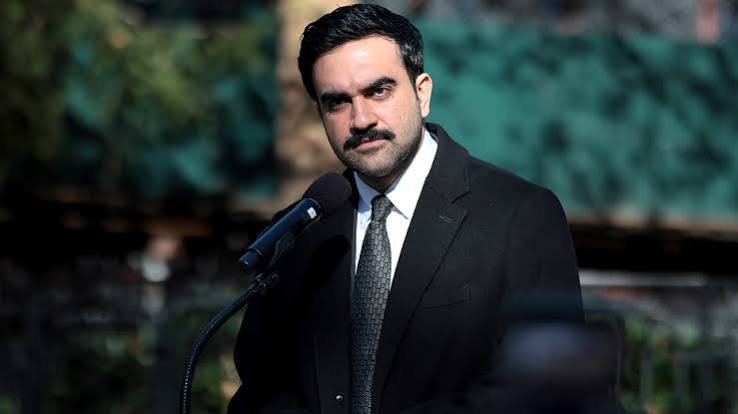
New York City Mayor Zohran Mamdani is close to finishing his first year. He has been mayor since January 1, 2026. He ran on four big ideas: a rent freeze, city-run grocery stores, free childcare and free buses. One has been delivered, with limits. Two are partly built and lean heavily on state money or time. One is stuck. Here is the record so far.
The rent freeze: delivered, but only for part of the city
Mamdani made this promise personally. In a 2024 campaign video, he said, “As mayor, I will freeze the rent every year that I’m in office,” and he called it a guarantee.
In June, the city’s Rent Guidelines Board voted 7 to 1 to approve 0% increases on both one-year and two-year leases. It was the first time the board ever froze two-year leases. The freeze applies to leases starting between October 1, 2026 and September 30, 2027. His office called the result “a historic victory for New York City tenants.”
The limits are easy to see. The freeze covers about 1 million rent-stabilized apartments. That is about 40% of the city’s housing stock, so most other renters get nothing from it. Meanwhile, median asking rent in the city hit a record $3,785 in the third quarter, up 4.5% from a year earlier.
The process also drew fire. Mamdani appointed six new members to the nine-member board in February. A landlord-appointed member resigned in protest, saying the board’s independence had been compromised, and a legal challenge is expected. Landlords say rising costs make it harder to maintain their buildings.
City-run groceries: years away, and privately operated
The city has set aside $70 million in capital funds for five stores. The plan is one store in each borough by the end of Mamdani’s first term. The first site, at La Marqueta in East Harlem, is expected to cost about $30 million. A private operator is expected to run it. The mayor says prices on a core set of goods will be set 30% below typical retail.
Mamdani has tried to put the scale in context. He told The New York Times the city will open five discount supermarkets “in a city of more than a thousand supermarkets.”
Timing is the problem for anyone hoping for cheaper groceries soon. NPR reported that the first store is planned to open by the end of 2027, while CBS reported that the La Marqueta store would open in 2029. East Harlem grocers also say the area already has plenty of supermarkets and bodegas.
Free childcare: popular, but the state is paying
This is the plan that has moved furthest after the rent freeze, but it is far smaller than “universal.” About 2,000 two-year-olds start the program this fall, and the city says that will rise to 12,000 next year. Reports put the waitlist at about 3,700 children. nycvoz
The money is the key point. Reuters reported that the program is paid for by the state, at $73 million in year one and $425 million in year two, without the tax increases Mamdani had sought. City Hall has no plan to fund the expansion after next year, other than asking the state for more money. Mamdani once put the cost of full universal childcare at about $6 billion a year, and a new report says it could cost much more.
Free buses: the part he can’t deliver alone
The MTA is controlled by the state, not the city, so Mamdani needs Governor Kathy Hochul. Soon after the election she said free buses would put transit funding at risk. Cost estimates vary. Mamdani’s side has put it near $800 million a year, the city’s Independent Budget Office estimated at least $652 million, and the Citizens Budget Commission said $900 million.
There has been movement on the “fast” half of the slogan. In July, Mamdani and Hochul unveiled a joint bus plan called “Next Stop: Fast Buses, Better Service.” The “free” half still has no funding plan.
Mamdani says he has not given up on it. Earlier this month, he told reporters he is excited about “making the slowest buses in America fast and free,” and thanked the governor for her continued partnership on affordability.
What the pattern shows
Two of the four promises depend on Albany’s money or approval. The rent freeze depends on a board he reshaped and on court challenges. The groceries are years from opening. Voters were promised cheaper rent, food, childcare and transit. After a year, the clear wins are one freeze for part of the city and a small childcare pilot paid for by the state.
What supporters say
Mamdani’s backers point to polls and to the pace of a four-year term. A Siena poll found 69% of city voters view him favorably. An Emerson poll at the 100-day mark found 43% approval and 27% disapproval, with 54% approving of his handling of childcare. Mamdani himself says many New Yorkers are already feeling the affordability gains. Supporters also note that the childcare program came with state backing, which they see as proof the plan is workable, not a sign it is falling short.
What to watch next
The next Rent Guidelines Board vote in June, the legal challenge to the freeze, the state budget and Hochul’s stance on bus fares, the jump to 12,000 childcare seats, and which operator is chosen for the first grocery store.
Which of Mamdani’s promises do you think will be hardest to keep? Tell us in the comments.