For thousands of American veterans, the fight for fair compensation has continued long after they left the battlefield. Now, House Republicans are pushing to change a system that has forced some combat-injured military retirees to give up part of their retirement pay just to receive disability compensation.
The House has taken a major step toward correcting that injustice.
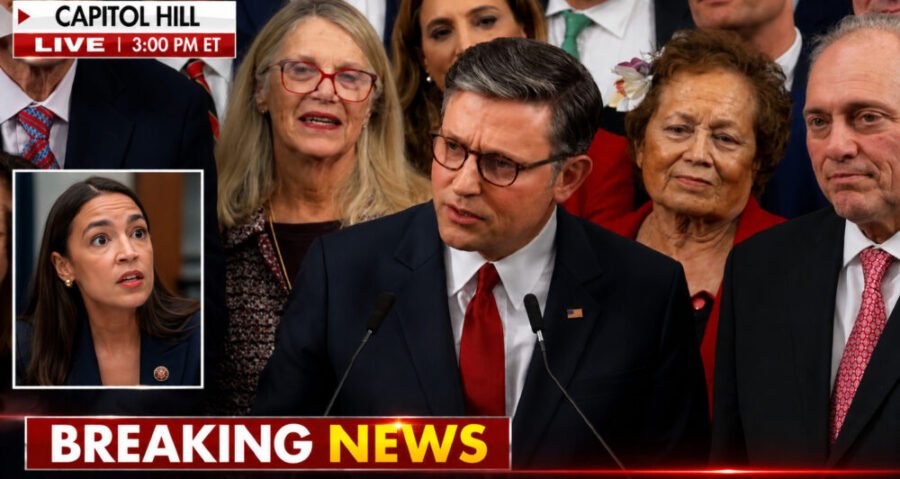
Republicans advanced sweeping veterans legislation Monday, approving the measure through a voice vote after a heated debate over how the benefits expansion would be funded. The proposal could provide a significant financial boost to approximately 58,000 combat-injured military retirees who have been caught in a longstanding compensation loophole.
At the heart of the legislation is a simple argument: Americans who sacrificed their health defending this country should not have to choose between military retirement pay and disability compensation they earned.
Under current rules, many service members who were medically retired before completing 20 years of military service must surrender a portion of their retirement payments when they receive disability compensation from the Department of Veterans Affairs.
Republicans want to change that.
The legislation would allow eligible combat-injured retirees to receive both payments without the existing reduction, potentially giving thousands of veterans a financial lifeline after years of dealing with injuries sustained in service.
According to estimates cited by the Associated Press, approximately 58,000 veterans could benefit. The Congressional Budget Office estimates the affected veterans would receive roughly $1,450 more per month on average.
That is money that could help military families cover medical bills, housing, groceries, and other expenses while giving injured veterans greater financial security.
For Republicans, the measure represents more than a policy adjustment. It is about honoring the men and women who paid a steep price while serving their country.
But the legislation is also facing a battle over how Congress intends to pay for it.
Republicans Face a Fight Over How the Benefits Will Be Funded
To offset part of the cost, Republicans proposed changes to future disability ratings for tinnitus and sleep apnea.
Those provisions have triggered criticism, particularly from veterans’ advocates concerned that future claimants could receive lower disability awards under revised eligibility calculations.
Veterans already receiving compensation for those conditions would not lose their existing payments under the proposal. However, future applicants could face different calculations and potentially reduced benefits.
That funding debate has become one of the biggest obstacles facing the bill.
Supporters argue Congress cannot simply create permanent spending obligations without addressing the costs. Critics counter that veterans should not be forced to shoulder the burden of financing benefits for other veterans.
The disagreement is now threatening to complicate the path forward, even as lawmakers from both parties acknowledge the need to address the retirement compensation issue.
Democrats Have Their Own Plan
Democrats are also pushing a competing veterans benefits proposal, but their version would expand compensation without including comparable spending offsets.
Supporters brought the alternative closer to a House vote through a discharge petition, with a vote expected Thursday.
The competing proposals reveal that there is bipartisan interest in helping combat-injured veterans. However, the parties remain divided over whether expanded benefits should be accompanied by spending reductions elsewhere.
Republicans say responsible budgeting matters, especially when Congress is making commitments that could last for decades.
Critics argue that the proposed changes to future disability ratings could undermine the very purpose of the legislation.
Meanwhile, the controversy over Monday’s voice vote has added another layer to the fight.
Republican House Majority Leader Steve Scalise argued that lawmakers opposed to the bill had opportunities to make their objections known. Democratic Rep. Mark Takano disputed the procedure, arguing members did not have a meaningful opportunity to demand a recorded vote.
The Veterans of Foreign Wars also criticized the lack of a recorded vote. National Commander Cory Geisler argued lawmakers should publicly account for decisions affecting veterans’ benefits.
The dispute has raised questions about transparency and the process used to advance legislation affecting thousands of military families.
The Senate Will Decide What Happens Next
Despite the House’s action, the fight is far from over.
The Senate could consider the Republican proposal, the Democratic alternative, negotiate a different version, or decide not to advance either measure.
Until a bill passes both chambers of Congress and is signed into law, the current compensation rules remain in effect.
For combat-injured retirees, that means waiting for Washington to decide whether years of sacrifice will finally translate into the retirement benefits they have been fighting to receive.
Republicans have moved the issue forward, putting a long-standing veterans compensation problem directly before Congress.
But the next battle could prove just as difficult as the first.
The question now is whether lawmakers can deliver meaningful relief to wounded veterans without turning the fight into another Washington budget battle that leaves those who served waiting yet again.